The Best Types of Denim for Your Body Shape (and How to Wear Them)
Jeans should be simple. You’d think after wearing them your whole life you’d have it figured out. And yet somehow, most of us have a drawer full of denim we never reach for and one pair we wear into the ground until they fall apart.
A lot of that comes down to cut. The wrong cut doesn’t mean you have the wrong body — it just means that particular shape of fabric isn’t working with yours. Once you know which cuts tend to complement your frame, shopping for jeans gets a lot less frustrating and getting dressed gets a lot faster.
Here’s a breakdown of the most common denim cuts, which body shapes they tend to work best with, and how to actually style them once you’ve found your match.
First, A Note on Body Shapes
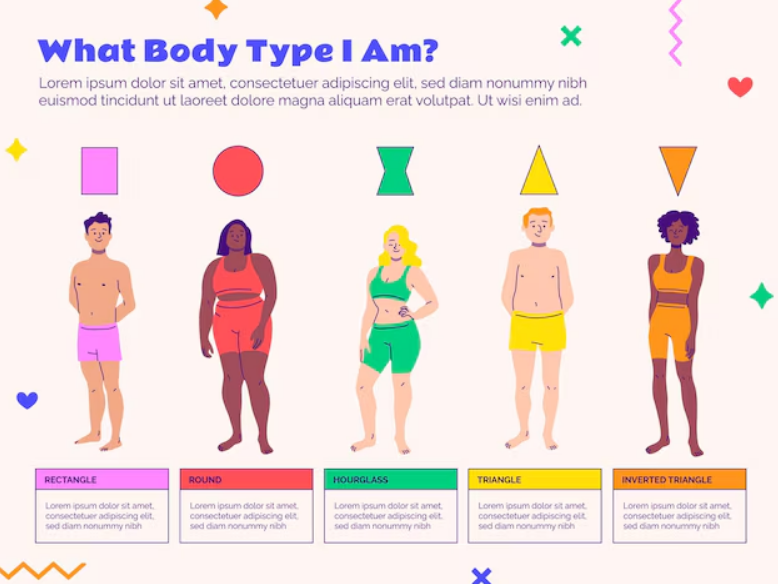
Body shapes are a useful shorthand, not a rigid system. The goal here isn’t to tell you what you can and can’t wear — it’s to give you a starting point so you’re not just grabbing things at random and hoping for the best.
Generally speaking, most people fall somewhere around these shapes:
Hourglass — shoulders and hips are roughly proportional, with a defined waist in between.
Pear / Triangle — hips and thighs are wider than the shoulders, weight tends to sit in the lower half.
Apple / Round — weight sits more in the midsection, shoulders and hips are roughly similar in width.
Rectangle / Straight — shoulders, waist, and hips are close in measurement, with less natural curve.
Inverted Triangle — shoulders are broader than the hips, upper body carries more of the width.
You might feel like you’re a mix of two, or that none of these is a perfect fit. That’s completely normal. Use whichever feels closest to your frame and take the suggestions as a starting point rather than a rule.
Straight-Leg Jeans
What they are: A consistent width from hip to ankle, with no significant taper or flare. Clean, unfussy, and timeless.
Who they work for: Straight-leg jeans are probably the most universally flattering cut there is. They work across most body shapes because they don’t exaggerate anything — they just follow the body’s natural line without clinging or adding volume in unexpected places. If you have a rectangular frame, they give you a long, clean line. If you carry weight in the thighs, they accommodate without drawing attention. If you’re broader in the shoulders, they balance the upper body without pulling the eye downward.
Lee Women’s Legendary Mom Jean in One Tone, High Rise, Straight Leg
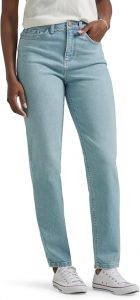
How to style them: This is the denim cut that works hardest in a smart casual context. Pair with a tucked-in shirt or a fitted tee for a put-together everyday look. A blazer over the top elevates the combination without any extra effort. Footwear is flexible — sneakers, loafers, boots, sandals. This cut is genuinely hard to get wrong.
Slim-Fit Jeans
What they are: Fitted through the thigh and tapered toward the ankle. Closer to the body than straight-leg, without being skin-tight.
Who they work for: Slim jeans tend to suit people with a leaner frame — rectangle and inverted triangle shapes in particular, where the close fit creates some visual definition without adding bulk. They also work well on hourglass frames, where they follow an existing curve. If you carry a lot of volume in the thighs or hips, slim jeans can feel uncomfortable and tend to emphasise that area rather than balance it.
How to style them: Slim jeans look sharp with a clean shirt or structured jacket. Because the leg is fitted, the outfit reads as more polished than a wider cut — which makes them a natural smart casual option. Chelsea boots or clean leather sneakers are the strongest shoe pairings. Avoid anything too oversized on top, as the proportions can start to feel off.
Wide-Leg Jeans
What they are: A generous cut through the hip and thigh that continues wide all the way to the hem. A more dramatic silhouette.
Who they work for: Wide-leg jeans are particularly good for pear and hourglass shapes — the volume in the leg balances out wider hips rather than emphasising them. For inverted triangles, they add proportion to the lower half, which balances out broader shoulders. On rectangular frames, they create the illusion of curves. They’re trickier on apple shapes, where a lot of fabric around the middle and leg can feel overwhelming — though the right top length and waistline can make it work.
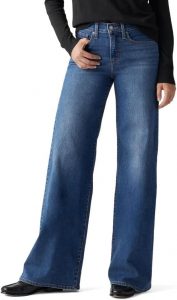
How to style them: The key with wide-leg jeans is balancing the volume. If the leg is wide, the top should be more fitted — a tucked-in tee, a cropped knit, or a shirt belted or tied at the waist. Shoes matter more here than with other cuts. A pointed-toe flat or a heeled boot elongates the leg under all that fabric; chunky trainers work too, but they need to be visible — avoid shoes that get swallowed by the hem.
Levi’s Womens 318 Shaping Wide Leg
Barrel / Baggy Jeans
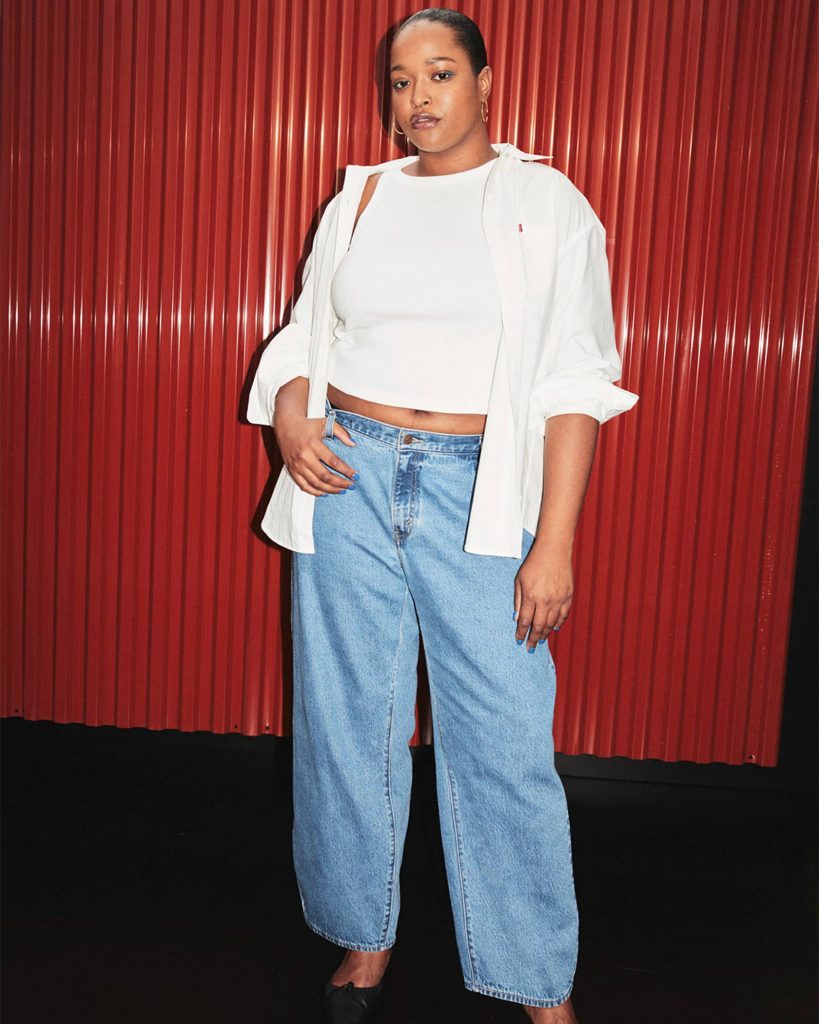
What they are: A relaxed, roomy fit with a higher rise, wide through the seat and thigh, then tapered slightly at the ankle. Somewhere between wide-leg and straight, with a more intentionally slouchy feel.
Who they work for: Barrel jeans suit rectangular and inverted triangle frames well — the volume through the hip and thigh area creates the appearance of more proportion in the lower half. They also work comfortably for apple shapes when worn with a longer, flowing top, as the relaxed fit through the midsection doesn’t cling. On pear shapes, they can work if the rise is high and the top is structured — the extra room through the hips can feel freeing rather than adding width.
How to style them: Barrel jeans have a strong casual lean, so the styling challenge is nudging them into smart casual territory. A crisp shirt — tucked in or neatly half-tucked — does most of the work. So does a well-fitted knit or a simple blazer. Footwear needs to be intentional: clean leather sneakers, loafers, or ankle boots that hit right at the tapered hem. Avoid trainers or sandals if you want the outfit to read as put-together.
Skinny Jeans
What they are: Close-fitting throughout, from waist to ankle. The tightest cut in the denim category.
Who they work for: Skinny jeans work best on lean or athletic frames — rectangles and slim hourglasses tend to wear them most naturally. On pear or apple shapes, the tight fit through the thighs and seat tends to draw rather than flatter. That said, a high-rise skinny can work for many shapes by defining the waist before the fabric follows the leg.
How to style them: Skinny jeans are the easiest to layer with oversized or longer pieces, since the slim leg balances out a bulkier top. A longline coat, an oversized knit, or a structured blazer all sit well over them. Ankle boots are a classic pairing. Trainers work in a casual context. If you want to keep things smart casual, stay away from very distressed finishes and stick to darker washes.

Flared / Bootcut Jeans
What they are: Fitted through the hip and thigh, then flares out from the knee downward. Bootcut is a subtler version of the same shape.
Who they work for: Flared jeans are genuinely one of the most flattering cuts for pear and hourglass shapes — the flare at the hem mirrors the width of the hips, creating a balanced silhouette rather than a top-heavy one. For rectangular frames, they add curve and visual interest. For inverted triangles, they’re one of the best tools available — the wider hem draws the eye down and evens out broad shoulders. Apple shapes can find them tricky, but a high-rise version with a fitted top can work well.
How to style them: Flares need length to work properly — the hem should graze the floor or come close to it, which means the shoe matters a lot. A heeled boot worn under the flare elongates everything. Flat shoes can work, but make sure the hem still reaches far enough down or the proportion collapses. On top, keep things fitted and tucked. A flared leg with a loose, billowy top can lose all sense of shape.
A Few Things That Apply to Every Cut
Wash matters. A dark or mid wash reads as smarter and more versatile. Heavy fading and distressing push any cut toward casual — which is fine when that’s what you want, but limits where you can wear them.
Rise changes everything. A high rise lifts and defines the waist regardless of cut. A mid rise is the most neutral and widely flattering. Low rise is generally the least forgiving across body types.
Length is non-negotiable. Jeans that are the wrong length — too short and bunching above the ankle, or dragging on the floor when they shouldn’t be — compromise the whole look. If the rest of the fit is perfect but the length is off, it’s worth having them hemmed.